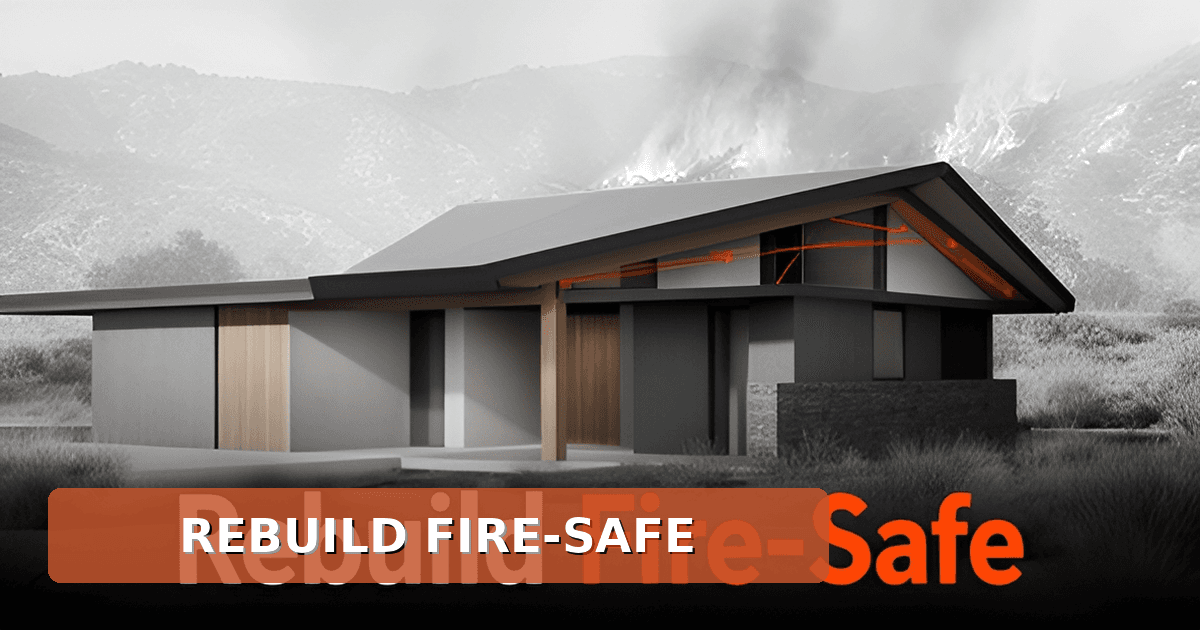
WUI Requirements for Rebuilding in Altadena: LA County
Key Facts
- Embers — not flames — cause 60–90% of home ignitions according to CAL FIRE.
- Only 23 of nearly 6,000 significantly damaged Altadena properties had completed rebuilding as of December 2025 per tracking research.
- Post-2008 code-built homes were over three times as likely to survive the 2018 Camp Fire as pre-1997 homes per post-fire engineering analyses.
- Like-for-like Altadena rebuilds are exempt from zoning rules but must still meet current Fire Code, including WUI standards per LA County guidance.
- Rebuilds cost roughly $500 per square foot while average insurance coverage falls more than $140,000 short according to Catalyst California.
- Zone 0 defensible space rules arriving February 2026 ban burnable materials, including bark mulch, within five feet of homes per local rebuild analysis.
- WUI vents must use wire mesh no larger than 1/8 inch, tested to ASTM E2886 standards per fire protection engineers.
Introduction
Rebuilding in Altadena after the Eaton Fire means navigating one of the most technical building code environments in California. The Eaton Fire destroyed 9,413 structures and burned 14,000 acres, and as of December 2025, tracking research shows only 23 of nearly 6,000 significantly damaged properties had completed rebuilding.
Here is the point that catches most homeowners off guard: even if you rebuild "like-for-like," you are exempt from current zoning rules but not from current Fire Code requirements. According to LA County's recovery guidance, every rebuild — regardless of size or layout — must comply with Building Code, Fire Code, and Health & Safety Code standards, including wildland-urban interface (WUI) and defensible space rules.
Why does this matter so much? Because embers, not direct flames, drive most destruction. CAL FIRE's Office of the State Fire Marshal reports that 60 to 90 percent of home ignitions occur because of embers that enter through vents, gaps, and vulnerable openings (OSFM guidance). WUI construction standards exist specifically to harden homes against this ember attack.
The stakes are proven. Post-fire engineering analyses of the 2018 Camp Fire found that homes built to post-2008 standards were more than three times as likely to survive as pre-1997 homes. Building codes, material choices, and land management made the difference between survival and destruction.
What inspectors actually check comes from ten specific code sections covering:
- Roofing, eaves, and gutter systems
- Exterior walls and underfloor enclosures
- Decks, glazing, doors, and vents
- Accessory buildings — including ADUs
A major code transition is also underway. The California Wildland-Urban Interface Code (CWUIC) supersedes the familiar Chapter 7A standards as of January 2026, and new Zone 0 defensible space rules arrive in February 2026 (industry analysis notes timing a permit application around these dates materially changes requirements).
At Altadena ADU Builder, we track these requirements because they apply to backyard ADUs and garage conversions just as they do to primary homes — and rebuilding an ADU alongside a main home is one of the most common questions we hear from Eaton Fire area homeowners. This guide breaks down exactly what WUI compliance means for your Altadena rebuild, what inspectors look for, and how to budget for it realistically.
Key Concepts
Rebuilding in Altadena after the Eaton Fire means navigating a rule most homeowners don't expect: even a "like-for-like" rebuild — exempt from current zoning — must still comply with today's Fire Code, including wildland-urban interface (WUI) standards. That gap between what zoning allows and what fire codes demand is where many rebuild budgets get surprised.
The stakes are real. CAL FIRE's Office of the State Fire Marshal notes that embers cause 60 to 90 percent of home ignitions, which is why the code focuses so heavily on how embers penetrate a building. And the standards work: post-fire analyses of the 2018 Camp Fire found that homes built after 2008 to Chapter 7A standards were more than three times as likely to survive as pre-1997 homes.
The specific requirements come from the California Wildland-Urban-Interface Code (Title 24, Part 7), and LA County inspectors work from ten defined sections covering the parts of a house embers attack first. The core checkpoints include:
- Class A roofing tested to ASTM E108/UL 790 — the first line of defense against ember attack
- Ember-resistant vents with wire mesh no larger than 1/8 inch, tested to ASTM E2886
- Exterior walls with minimum 1-hour fire-resistance ratings, plus noncombustible or ignition-resistant eaves and underfloor enclosures
- Multi-pane glazing with at least one tempered pane, and solid-core or steel exterior doors at least 1¾ inches thick
- Deck and projection undersides built from noncombustible or ignition-resistant materials
Timing matters as much as materials. As of January 2026, the California Wildland-Urban Interface Code supersedes Chapter 7A and extends to additions and renovations of post-2008 structures, while Zone 0 defensible space rules arriving in February 2026 prohibit burnable materials — including bark mulch — within five feet of homes in Very High Fire Severity zones. When you pull your permit relative to those dates materially changes what applies to your project.
Vegetation management is also a permit-final condition: the property must comply with fuel modification requirements before the county signs off. One nuance worth knowing — only 23% of significantly damaged homes region-wide sit in designated "very high" fire hazard zones, yet rebuilding still triggers the full defensible-space and WUI compliance burden regardless of zone designation.
Because local jurisdictions can amend the CWUI Code, CAL FIRE advises consulting your local building official and working with a licensed contractor who understands it. If you're considering an ADU alongside your rebuild — ADUs are eligible for the county's expedited self-certification pilot — Altadena ADU Builder can help you understand how these fire-code requirements apply to a backyard unit before you commit to a design.
Best Practices
Surviving the next fire comes down to decisions made at the permit desk and the lumber yard, not luck. The good news: post-fire analyses show that codes, material choices, and land management consistently separate homes that survive from homes that don't — and post-2008 code-built homes were more than three times as likely to survive the Camp Fire as pre-1997 homes.
Treat WUI hardening as a budget line, not an upgrade. Even a like-for-like rebuild exempt from current zoning rules must still satisfy the Fire Code, including Fire Department plan review, fuel modification review, and sprinkler review per LA County's recovery guidance. Class A roofing, 1/8-inch ember-resistant vent mesh, 1-hour rated exterior walls, and tempered multi-pane glazing are baseline requirements, not options. Embers drive 60–90% of home ignitions, so vent and eave details deserve extra scrutiny.
Time your permit around the 2026 code transition. The California Wildland-Urban-Interface Code supersedes Chapter 7A in January 2026, and Zone 0 defensible space rules arrive in February 2026 — banning bark mulch and burnable materials within five feet of homes in Very High Fire Severity zones. When you apply materially changes what your project must meet, so confirm current requirements before finalizing plans.
A few practices that consistently pay off for Altadena rebuilds and ADU projects alike:
- Use expedited pathways — self-certification, eCheck AI review, and pre-approved plans — but schedule Fire Department approvals first, since they remain mandatory before permit issuance.
- Verify LA County's local amendments with the building official at the Altadena One-Stop Permit Center; CAL FIRE OSFM explicitly warns that jurisdictions amend the CWUI Code.
- Confirm vegetation management compliance early — CWUI Appendix B requires it before final permit approval.
- Apply for the fee waivers approved June 17, 2025 if you owned and occupied your home before January 7, 2025.
Finally, solve the money problem before the permit problem. With rebuilds running roughly $500 per square foot and average insurance coverage falling more than $140,000 short of typical rebuild costs, cost planning — not permitting — is the primary blocker to breaking ground. Altadena ADU Builder helps homeowners run these numbers early, including whether a pre-approved plan or a builder familiar with Eaton Fire rebuilds, like JMB Builders LLC, keeps the budget realistic. A free ADU feasibility consultation with a cost-quiz concept render gives you a grounded cost picture before you commit to plans.
Implementation
Applying WUI requirements to your Altadena rebuild starts with understanding what actually triggers compliance. Even if you qualify for a like-for-like rebuild exempt from current zoning rules, you must still meet current Building Code, Fire Code, and Health & Safety Code requirements — including wildland-urban interface standards and defensible space rules. Fire Department plan review, fuel modification review, and fire sprinkler review remain mandatory steps in every rebuild permit.
Start with the hardening items inspectors will verify. According to CAL FIRE OSFM, embers cause 60–90% of home ignitions, which is why vent protection tops the list. Your build should hit these checkpoints:
- Class A roof assembly tested to ASTM E108/UL 790 standards
- Ember-resistant vents with wire mesh no larger than 1/8 inch, passing ASTM E2886 testing
- Exterior walls with a minimum 1-hour fire-resistance rating
- Solid-core or steel exterior doors at least 1¾ inches thick, with a 20-minute fire rating
- Multi-pane glazing with at least one tempered layer on windows and skylights
Timing matters because the rules are changing. The California Wildland-Urban Interface Code supersedes Chapter 7A as of January 2026, and new Zone 0 defensible space rules take effect in February 2026 — requiring no dead plants or burnable materials, including bark mulch, within 5 feet of homes in Very High Fire Severity zones, according to local rebuild coverage. When you submit your permit application relative to those dates materially changes what your plans must show.
Use the expedited pathways, but don't assume they skip fire clearance. LA County's Building Plan Self-Certification Pilot lets California-licensed architects and engineers self-certify plans for fire-damaged single-family homes and ADUs, and pre-approved plans can shave an estimated 10% off total development costs. However, Fire Department approvals are still required before any permit is issued, so build that review into your schedule regardless of which fast track you choose.
Budget realistically before you commit to plans. Rebuild costs run roughly $500 per square foot — about $750,000 for a 1,500-square-foot home — while average Altadena insurance coverage in 2023 was $607,000, leaving a shortfall of more than $140,000. A Catalyst California tracking report found only 23 of nearly 6,000 significantly damaged Altadena properties had completed rebuilding as of December 2025, with cost gaps, not permits, the primary blocker.
Finally, verify local amendments in person. CAL FIRE notes that jurisdictions can amend the CWUI Code and advises consulting your local building official and hiring a licensed contractor who understands it. The Altadena One-Stop Permit Center at 464 West Woodbury Road brings Fire, Planning, and Building & Safety under one roof. At Altadena ADU Builder, our free feasibility consultation — including a cost-quiz concept render — helps you pressure-test WUI compliance costs alongside ADU plans before you finalize a builder.
Conclusion
Rebuilding in Altadena means navigating a two-layer reality: your like-for-like rebuild may skip current zoning rules, but fire code compliance is non-negotiable. The homes that survive wildfires are built, not lucky — post-fire analyses show post-2008 code-built homes were more than three times as likely to survive the Camp Fire as pre-1997 homes.
The stakes are real. Only 23 of nearly 6,000 significantly damaged Altadena properties had completed rebuilding as of December 2025, according to Catalyst California's tracking research. Cost, not code, is the primary blocker: rebuild costs run roughly $500 per square foot against average insurance coverage of about $607,000 — a shortfall exceeding $140,000 for many owners.
As you plan your rebuild, keep these next steps in focus:
- Budget for WUI hardening as a non-negotiable line item — Class A roofing, 1/8-inch ember-resistant vent mesh, and 1-hour rated exterior walls are baseline requirements, not upgrades.
- Time your permit application around the code transition: the CWUIC supersedes Chapter 7A in January 2026, and Zone 0 defensible space rules arrive February 2026.
- Use expedited pathways — self-certification, eCheck AI review, and pre-approved plans — but remember Fire Department approvals remain mandatory before permit issuance.
- Confirm LA County's local amendments with the building official; OSFM explicitly advises hiring a licensed contractor who understands the CWUI Code.
Embers cause 60–90% of home ignitions, which is why vent protection and small details matter as much as major materials. Even homes with fire-resistant exteriors can be lost if embers find a way inside, as fire protection engineers at SGH note. Vegetation management is also a permit-final condition, so plan your defensible space early rather than scrambling at inspection time.
If your rebuild plans include an ADU — whether replacing a lost garage conversion or adding new backyard housing — the same fire-code realities apply, and ADUs qualify for the county's self-certification pilot. Altadena ADU Builder helps homeowners understand real costs, permits, and builder options specific to unincorporated LA County, with no permit or timeline guarantees offered or implied.
Get a free ADU feasibility consultation — take our cost quiz and receive a concept render to see what's possible on your lot. Our featured builder, JMB Builders LLC (CSLB #1103479, disclosed paid placement), is an Altadena-based licensed general contractor building custom homes, ADUs, and Eaton Fire rebuilds, with work documented at jmb-builders.com.
Frequently Asked Questions
If I rebuild my home exactly as it was after the Eaton Fire, do I still have to follow the current WUI fire codes?
What specific WUI features will inspectors check on my Altadena rebuild?
Is all this fire-hardening really necessary, or is it just red tape?
I heard the fire codes are changing in 2026 — when should I apply for my permit?
Do I have to follow WUI rules even though my property isn't in a 'very high' fire hazard zone?
How much will my rebuild cost, and does insurance usually cover it?
Key Takeaways
{ "title": "Build for the Embers, Budget for the Rebuild", "content": "Rebuilding in Altadena after the Eaton Fire comes down to one reality: your like-for-like rebuild may skip current zoning rules, but fire code compliance is non-negotiable. Class A roofing, 1/8-inch ember-resistant vent mesh,