Home Inspections in Altadena, CA: What Gets Checked
Key Facts
- LA County ADU construction hit a record 10,230 units in 2025 — a sixfold jump from 1,624 in 2018, per USC Lusk Center research cited by the Daily News.
- ADUs accounted for 37% of all new housing units certified for occupancy in LA County in 2025 — the highest share on record, according to USC Lusk Center data.
- California buyers get a 17-day inspection contingency under the C.A.R. Residential Purchase Agreement, with specialist reports due days 3–12.
- A typical home inspection costs about $343 (range $296–$424) and takes 2–4 hours, per Rocket Mortgage.
- An inspection of a full-size home finished in under 90 minutes is a red flag for rushed, incomplete work, LA-area inspectors warn.
- California does not state-license home inspectors, so buyers must verify ASHI, CREIA, or InterNACHI certification themselves, per local real estate guidance.
- Federal Pacific and Zinsco panels, common in homes built through the 1980s, are routinely flagged as fire hazards during inspections, per LA-area inspection checklists.
Why Altadena Homes Face Unique Inspection Scrutiny
A 1920s Craftsman with original hardwood floors and fresh paint can still hide a failing foundation, outdated wiring, or missing seismic bolting — defects that cost tens of thousands of dollars to fix. In Altadena, inspectors see this scenario constantly, and for reasons that are specific to this foothill community.
Much of the local housing stock runs 50 to over 100 years old — Craftsman bungalows, Spanish Colonials, and Mid-Century Moderns built decades before modern codes. According to LA-area inspection checklists, homes of this era routinely carry pre-modern-seismic-code foundations, aging pipes, and outdated electrical panels.
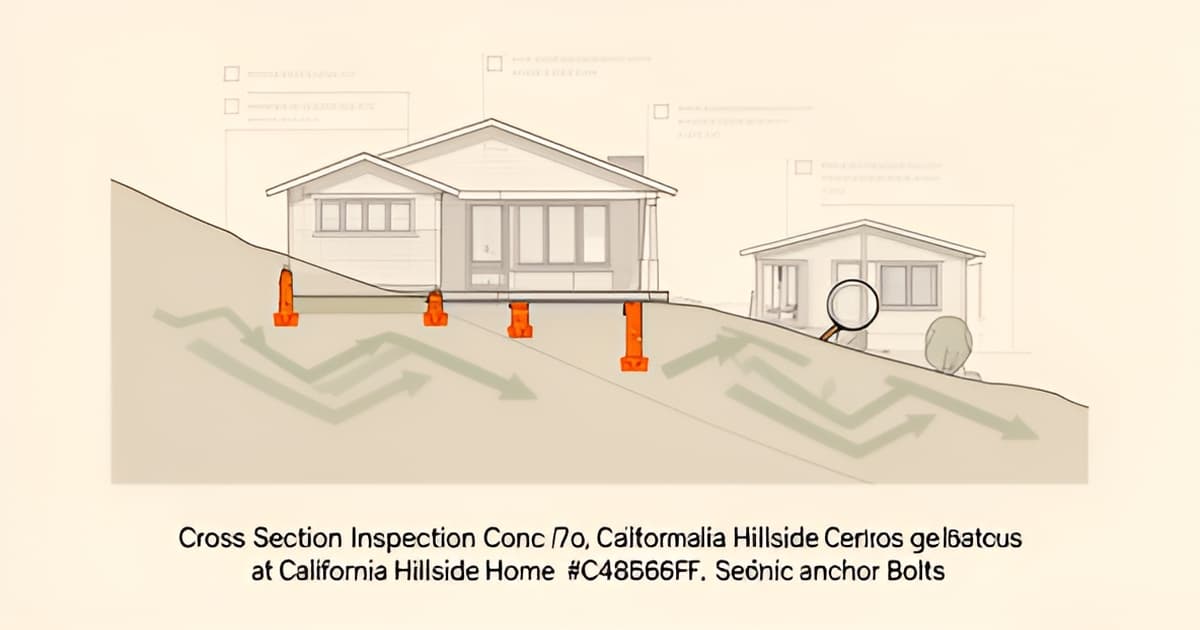
Altadena's hillside topography adds another layer of scrutiny. Drought cycles and soil movement can shift foundations, while slope lots raise questions about drainage, retaining walls, and slope stability. Wildfire exposure means inspectors also scrutinize roofing and defensible space — a concern sharpened by the Eaton fire and the rebuilding now underway across the community.
Then there's the age of core systems. Inspectors flag several recurring finds in older Altadena homes:
- Federal Pacific and Zinsco electrical panels, common in homes built through the 1980s, are flagged as fire hazards.
- Galvanized plumbing and knob-and-tube wiring (pre-1950s) or aluminum wiring (1960s–70s) that insurers and lenders balk at.
- Missing seismic bolting and cripple wall bracing on raised foundations.
- Termite and wood-destroying pest damage, endemic across Southern California.
The post-Eaton-fire rebuilding boom compounds all of this. USC Lusk Center research shows LA County ADU construction hit a record 10,230 units in 2025 — a sixfold increase from 1,624 in 2018 — with ADUs accounting for 37% of all new housing units certified for occupancy, and West Altadena rebuilds increasingly including ADUs.
That rebuilding wave makes one inspection finding especially consequential: unpermitted additions, including ADUs and garage conversions, get flagged during inspections for their financing, insurance, and resale impact. Sellers must disclose known defects, but they can only disclose what they know — and an uninspected or unpermitted conversion leaves buyers exposed after close of escrow.
This is why Altadena ADU Builder emphasizes permitted, professionally built work from the start. A licensed contractor like JMB Builders LLC (CSLB #1103479), an Altadena-based firm handling custom homes, ADUs, and Eaton Fire rebuilds, builds to the standards an inspector will later verify — so your property passes scrutiny instead of raising red flags.
Wondering whether your lot can support a permitted ADU? Get a free ADU feasibility consultation with a cost-quiz concept render and find out what's realistically possible on your property.
What a Home Inspection Actually Covers — and What It Doesn't
A general home inspection is a visual, non-invasive review — it tells you what an inspector can see and safely test, not what's hidden inside walls or under the slab. Understanding that boundary before you hire one is the difference between a useful report and a false sense of security.
For a typical fee of around $343 (ranging from $296 to $424 depending on the home's size, age, and location), a standard inspection covers the major systems: structure and foundation, roof, electrical, plumbing, HVAC, interior and exterior surfaces, and safety devices. The visit itself takes two to four hours, with the written report usually delivered within 24 to 48 hours. One red flag worth knowing: if an inspector finishes a full-size home in under 90 minutes, that's too fast to be thorough.
In Altadena, inspectors pay close attention to regional risk factors — seismic bolting and cripple-wall bracing, hillside drainage and retaining walls, wildfire exposure at the roofline, and aging systems. Much of the LA-area housing stock is 50 to over 100 years old, so inspectors routinely flag outdated electrical panels like Federal Pacific and Zinsco units, knob-and-tube wiring in pre-1950s homes, and HVAC systems past the 15-year mark. As one inspector put it, behind fresh paint and hardwood floors could be a failing foundation or seismic vulnerabilities costing tens of thousands to fix.
Just as important is what a standard inspection does not include:
- Sewer-line video scopes
- Termite and wood-destroying pest inspections (required by most California lenders)
- Mold testing
- Chimney certifications
- Pool equipment beyond a basic visual check
These specialist reports matter more here than in most markets, given the termite risk endemic to Southern California and the raised foundations and hillside lots common in Altadena. Budget for them during days 3 through 12 of your contingency window, after the general inspection wraps in days 1 through 5.
One common misconception: an FHA or VA appraisal is not a substitute for an inspection. The appraisal only protects the lender's interest in the property meeting minimum standards — it doesn't give you a full condition report. And note that California does not state-license home inspectors, so verify ASHI, CREIA, or InterNACHI certification and ask for errors-and-omissions insurance instead.
The inspection scope also matters if you're building rather than buying. Unpermitted additions — including ADUs and garage conversions — get flagged during inspections for their financing, insurance, and resale impact. With ADUs making up 37% of all new housing units certified for occupancy in LA County in 2025, and Altadena rebuilding actively after the Eaton fire, permitted work is what keeps a future inspection clean. At Altadena ADU Builder, we recommend starting any project with a free ADU feasibility consultation and cost-quiz concept render — and if you hire a builder, confirm their license, like JMB Builders LLC (CSLB #1103479), before work begins.
The 17-Day Inspection Timeline: Key Milestones for Buyers
Once your offer is accepted, the clock starts ticking. Under the C.A.R. Residential Purchase Agreement, you get a default 17-day inspection contingency — and how you use those days determines whether you uncover problems before they become yours.
Days 1–5 are for the general inspection. A typical inspection runs 2–4 hours, with the written report delivered within about 24 hours, according to LA-area inspection guidance. The general inspection is a visual, non-invasive review — it flags what an inspector can see, not what's inside walls or under slabs. For an older Altadena home, this first pass often surfaces the issues that demand specialist follow-up.
Days 3–12 are for specialist reports. The general inspection tells you where to dig deeper; specialists tell you how bad it is. Common follow-ups for Altadena's housing profile include:
- Sewer scope — aging pipes are a hallmark of 50–100+ year-old LA-area homes
- Termite/pest inspection — wood-destroying pests are endemic in Southern California
- Structural engineer report — for hillside lots, retaining walls, and raised foundations
- Roof certification — especially where wildfire proximity is a factor
By day 17, you must act: submit a repair request, remove the contingency, or cancel the contract. Miss the deadline and you risk losing your deposit or weakening your negotiating position entirely.
The most common mistake, per local real estate guidance, is shortening the 17-day window to make an offer more competitive in a hot market. Buyers who cut it to 10 or 12 days often discover — mid-escrow — that a foundation or sewer specialist can't schedule them for another week. Then they're choosing between waiving the contingency blind or losing the deal.
One finding worth extra attention in Altadena: unpermitted additions, including garage conversions and unpermitted ADUs, get flagged during inspections for their financing, insurance, and resale impact. Given that ADUs made up 37% of all new housing units certified for occupancy in LA County in 2025 — a record, up from roughly 10% in 2018, per USC Lusk Center research — many Altadena properties now include backyard units of uncertain permit status.
If an inspection flags an unpermitted ADU, or you're planning one on a property you're purchasing, Altadena ADU Builder offers a free feasibility consultation to sort out what's legal, what's buildable, and what it actually costs before day 17 forces your hand.
How to Vet an Inspector in California (No State License Exists)
Here's something that surprises many buyers: California does not state-license home inspectors. Anyone can print a business card and call themselves an inspector, which means the burden of vetting falls entirely on you.
The good news is that reputable inspectors voluntarily hold themselves to national and state standards. Before hiring, verify membership in one of the major certifying bodies — ASHI, CREIA, or InterNACHI. These organizations require documented training, testing, and continuing education, and they give you a formal complaint channel if something goes wrong.
Beyond certification, ask a few pointed questions before you book:
- Can you send a sample report? You're looking for detailed photos, clear explanations, and honest severity ratings — not a two-page summary.
- Do you carry errors & omissions insurance? This protects you financially if the inspector misses something significant, a point REALTOR® Andrew Fortune emphasizes when advising buyers on inspector selection.
- How long have you inspected homes in this specific market? As one LA inspection firm notes, someone who mainly inspects new construction in the Inland Empire may not know the quirks of a 1920s Craftsman bungalow.
That last question matters especially in Altadena, where much of the local housing stock falls into the 50-to-100-plus-year range typical of the LA area. An inspector unfamiliar with pre-modern seismic codes, aging galvanized plumbing, or legacy electrical panels like Federal Pacific and Zinsco units — commonly flagged as fire hazards in homes built through the 1980s — may gloss over exactly the issues that cost tens of thousands to fix.
Timing is another tell. A thorough inspection of a full-size home takes two to four hours, with the written report typically delivered within 24 hours. Treat any inspection completed in under 90 minutes as a red flag — a rushed walkthrough defeats the purpose of hiring a professional at all.
Finally, match the inspector to the property's risk profile. Altadena's hillside lots, wildfire exposure, and aging foundations call for someone who routinely evaluates seismic bolting, drainage, and slope stability — not just outlets and water heaters. If you're also weighing an ADU purchase or addition, the same diligence applies: unpermitted garage conversions and ADUs get flagged during inspections for their financing, insurance, and resale impact, which is why we at Altadena ADU Builder always stress permitted, professionally documented work. When you're ready to explore what a compliant ADU could look like on your lot, a free feasibility consultation — including a cost-quiz concept render from a licensed local contractor like JMB Builders LLC (CSLB #1103479) — is a sensible first step.
The ADU Angle: Why Permitted Work Passes Inspection Scrutiny
Walk an inspector through a backyard that shows a converted garage with a kitchenette but no paper trail, and you'll see the tone of the report change fast. Unpermitted additions — including ADUs and garage conversions — are one of the most common findings inspectors flag, and the consequences reach into financing, insurance, and resale rather than just the inspection report itself, according to LA-area inspection guidance.
The stakes are higher in Altadena than almost anywhere in the county right now. ADU construction hit a record 10,230 completed units in LA County in 2025, up roughly sixfold from 1,624 in 2018, per USC Lusk Center research. ADUs now account for 37% of all new housing units certified for occupancy countywide — the highest share on record — and Altadena's post-Eaton-fire rebuilding activity is a visible part of that surge.
Why does permitted work matter so much when the inspection happens? Because a buyer's lender and insurer treat an unpermitted unit differently from a legal one. When an inspector notes a non-permitted conversion, the buyer can face:
- Loan complications, since appraisers may exclude the unpermitted square footage from valuation
- Insurance hesitation, because carriers often decline to cover structures without documented code compliance
- Resale friction, as buyers renegotiate or walk during the 17-day contingency window
- Retroactive permitting costs, which can far exceed the original savings of skipping permits
Remember that California sellers must disclose known defects — but only what they know, as real estate professionals note. An unpermitted ADU tends to surface at the worst possible moment: mid-escrow, with the clock running on the buyer's inspection contingency.
Permitted, professionally built ADUs sidestep this entire category of risk. County sign-off means the unit's electrical, plumbing, and structural work meet code, and the paper trail travels cleanly through every future appraisal and inspection. That speed advantage is real, too — ADUs complete in roughly 18 months, versus about three years for larger multifamily projects in the City of LA.
If you're weighing whether a backyard ADU or garage conversion makes sense on your Altadena lot, Altadena ADU Builder offers a free ADU feasibility consultation, including a cost-quiz concept render tailored to your property. No permit or timeline guarantees — just a clear-eyed look at real costs, real permits, and what a compliant build takes in LA County's unincorporated areas.
Frequently Asked Questions
How long does a home inspection take in Altadena, and what does it cost?
What do inspectors specifically look for in older Altadena homes?
Does a standard home inspection include termite, sewer, and mold checks?
Is an FHA or VA appraisal the same thing as a home inspection?
How do I vet a home inspector in California?
Will an inspection flag an unpermitted ADU or garage conversion?
The Inspection Is Coming — Make Sure Your Property Is Ready
Every Altadena home will eventually face an inspector's clipboard — whether that's a buyer walking a 1920s Craftsman during the 17-day contingency window, or an appraiser sizing up a backyard unit mid-escrow. What that inspection finds determines your financing, your insurance, and your negotiating position. In a community where much of the housing stock predates modern seismic codes, where hillside lots and wildfire exposure demand extra scrutiny, and where ADUs now make up 37% of all new housing units certified for occupancy in LA County, the homes that pass cleanly are the ones built — or retrofitted — with permits and documentation from day one. If you're buying, use the full 17-day window and hire a CREIA- or ASHI-certified inspector who knows older foothill homes. If you're building, choose a licensed contractor like JMB Builders LLC (CSLB #1103479) whose permitted work stands up to every future inspection. Wondering what a compliant ADU could look like on your lot? Get a free feasibility consultation with a cost-quiz concept render and find out what's realistically possible — before an inspector, lender, or insurer forces the question.